For centuries, Russia appropriated Ukraine's military heritage — claiming its victories, erasing its defeats, and teaching the world that Ukraine had no martial tradition of its own. The Institute exists to set the record straight.
We unite global military historians with Ukrainian defenders to produce podcasts, video lectures, courses, and a growing archive of first-hand interviews — all freely available to soldiers, strategists, and policymakers. The lessons of this war are being written as it's fought. We make sure they're not lost.
What the Institute makes
Operational analysis and historical context, straight from the soldiers and scholars who understand the war best — hosted by Samuel Cook and Rob Lee.
Listen ↗First-hand testimony from commanders and frontline veterans — recorded, transcribed, and preserved on the record, forever.
Explore ↗Educational materials and workshops connecting today's frontline to the deeper traditions that explain how Ukraine fights.
Learn ↗Who built it
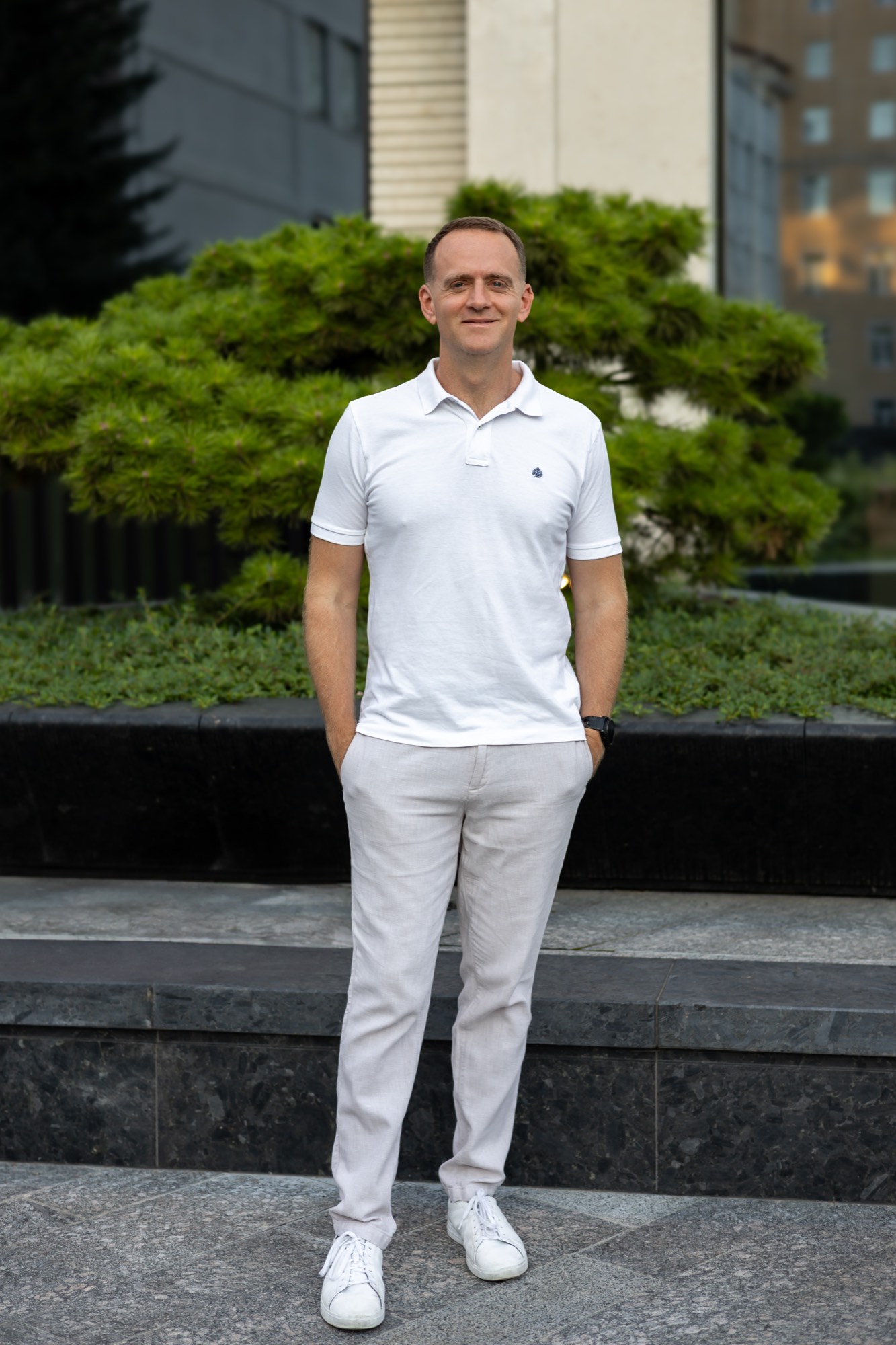
Founder of the Borderlands Foundation — West Point graduate, U.S. Army cavalry officer, and historian. He conceived the Institute to turn Ukraine's military history into a strategic advantage.
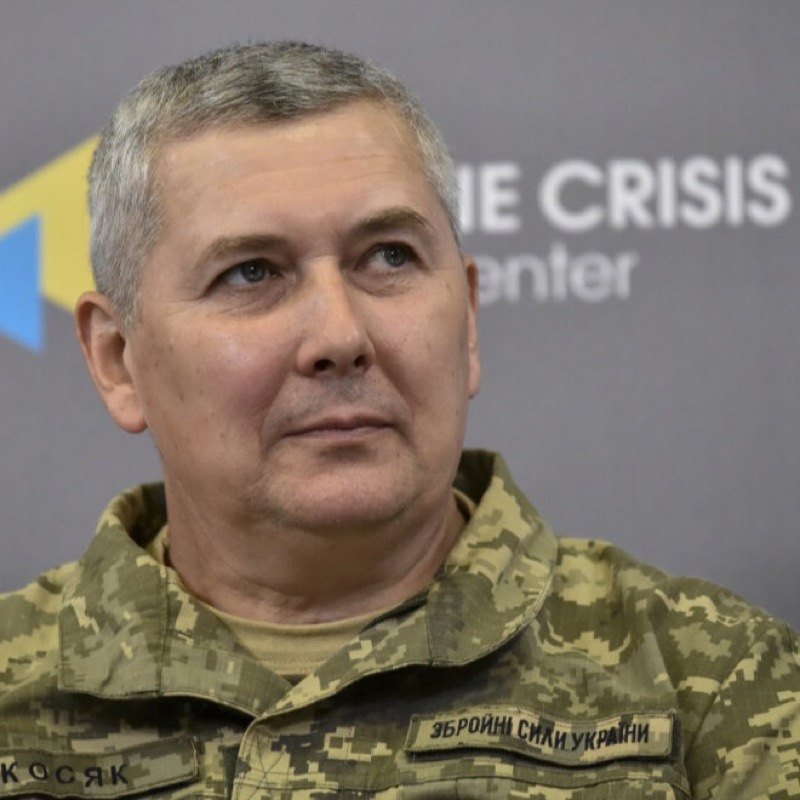
A career officer of the Armed Forces of Ukraine, Kosiak helped build the military's own history center. He brings decades of operational and staff experience to the Institute's mission of turning history into a warfighting advantage.
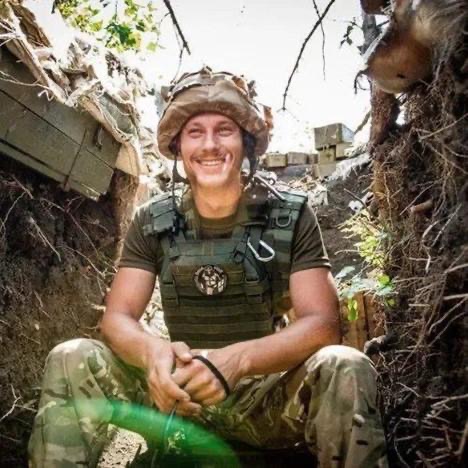
A marine of the 36th Marine Brigade, Malik fought at Mariupol and survived two and a half years in Russian captivity. His testimony — and his drive to record others' — is at the heart of the Institute's interview archive.
Every episode, transcript, and lecture lives on the Institute's own site — free and open.